Serving Fayetteville and Nearby Northwest Arkansas Communities
Call or Text (945) 365-7666

Blog
Contact Us
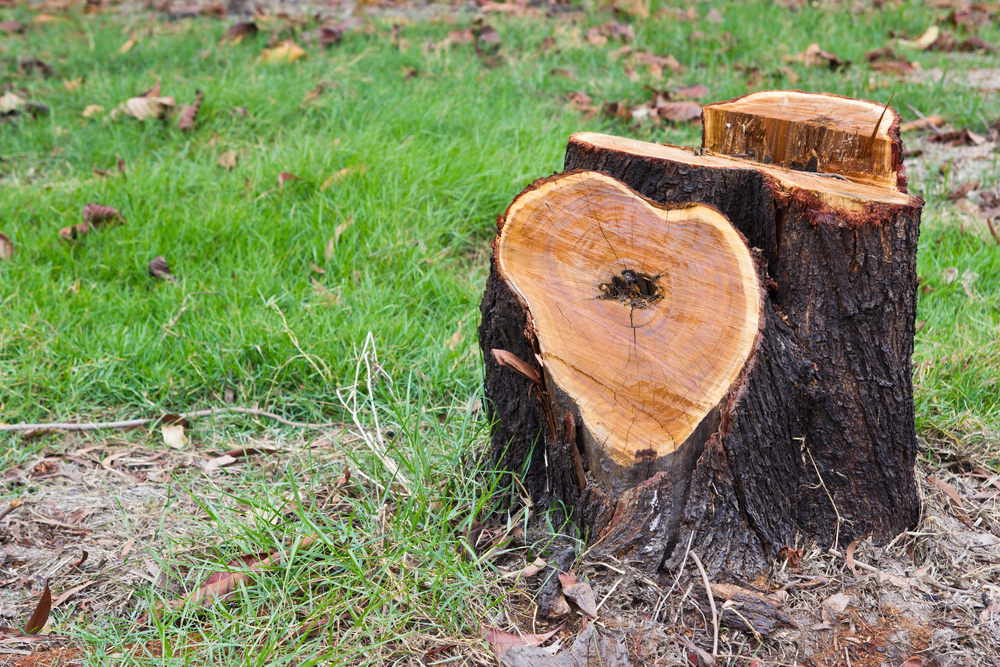
What Problems Can Old Tree Stumps Cause in Your Yard?
An old tree stump can sit in a yard for years without much attention. At first, it feels like a minor cosmetic issue.
But over time, that leftover stump can create structural, safety, and pest-related problems — especially in Fayetteville, Arkansas, where humidity and soil conditions accelerate decay. What looks harmless now can slowly affect lawn health, property appearance, and even nearby structures.
Below is a clear breakdown of the real problems old stumps can cause in Northwest Arkansas yards.
Pest Infestations
Decaying wood naturally attracts insects. As a stump begins to break down, it becomes a food source and nesting site.
Termites
Termites are drawn to rotting wood. Once they establish themselves in a stump, they may migrate toward nearby fencing, sheds, decks, or even your home.
Carpenter Ants
Carpenter ants tunnel through damp wood to create colonies. A decomposing stump provides ideal conditions for expansion.
Wood-Boring Beetles
Beetles lay eggs inside rotting wood. Over time, their larvae feed on the stump and contribute to further decay.
In Fayetteville, Arkansas, seasonal humidity can speed up wood decomposition, increasing the likelihood of insect activity.
Fungal Growth and Decay Spread
As stumps rot, fungal organisms develop. This process may appear harmless at first, but it can create wider lawn concerns.
Fungal growth can:
Produce visible mushrooms around the stump
Spread spores to nearby plants
Accelerate underground wood breakdown
Create soft or unstable soil
In damp Northwest Arkansas conditions, fungal growth often appears within a few seasons of tree removal.
Lawn Maintenance Problems
Old stumps interfere with regular yard care.
A stump forces homeowners to:
Mow around obstacles
Trim manually near the base
Navigate exposed roots
Over time, this creates uneven grass growth. Equipment blades may dull or become damaged if they strike hidden roots.
In neighborhoods throughout Fayetteville, Arkansas where curb appeal matters, visible stumps disrupt the uniform appearance of the lawn.
Safety Hazards
One of the most immediate risks of an old stump is physical injury.
Stumps and exposed roots create uneven ground that increases the likelihood of:
Trips and falls
Injuries to children playing
Accidents during yard work
Lawn equipment damage
In sloped areas common in parts of Fayetteville, these hazards become more significant, especially when roots are partially hidden beneath grass.
Underground Root Decay and Soil Instability
Although the visible stump may remain above ground, the root system continues to change underground.
As roots decompose, they can create:
Soft soil pockets
Minor ground settling
Depressions in the lawn
In clay-heavy soil found in many areas of Northwest Arkansas, settling may affect drainage patterns and water flow across the yard.
Over time, this can require soil correction and regrading.
Unwanted Tree Regrowth
Certain tree species attempt to regenerate even after being cut down.
Old stumps may produce:
Shoots from the stump surface
Suckers around the root system
New growth near the base
This regrowth requires repeated trimming and may drain nutrients from surrounding grass and plants.
Hardwood species common in Fayetteville, Arkansas are especially known for attempting regrowth.
Property Value and Visual Impact
An old stump affects how a yard is perceived.
In established Fayetteville neighborhoods, a leftover stump can:
Make landscaping appear incomplete
Reduce curb appeal
Signal deferred maintenance
For homeowners considering selling, visible stumps can impact first impressions during property showings.
Comparing Short-Term vs Long-Term Impact
The table below shows how stump-related issues develop over time.
Problems often escalate gradually, which is why many homeowners delay action until the stump becomes disruptive.
When Should You Address an Old Stump?
If you’re unsure whether removal is necessary, consider the following evaluation process.
Step 1: Inspect for Visible Decay
Look for mushrooms, crumbling wood, or insect activity.
Step 2: Check for Ground Softness
Walk around the stump and observe whether the soil feels unstable.
Step 3: Watch for Regrowth
New shoots or suckers indicate ongoing root activity.
Step 4: Evaluate Yard Usage
If the stump interferes with mowing, landscaping, or play space, removal may improve usability.
Taking action early prevents larger problems later.
Frequently Asked Questions
Do all old stumps attract termites?
Not all stumps attract termites, but decaying wood significantly increases the risk.
Will the roots disappear naturally?
Roots decompose over time, but the process can take several years.
Can an old stump affect my home’s foundation?
Roots typically decay away from structures, but pest migration is a potential concern.
Is it dangerous to leave a stump in the yard?
While not immediately hazardous, stumps can create tripping risks and long-term soil instability.
Does stump grinding prevent these problems?
Grinding removes the visible stump and reduces the conditions that attract pests and fungi.
Conclusion
Old tree stumps may seem harmless, but over time they can create pest infestations, fungal growth, lawn maintenance issues, soil instability, and safety hazards.
In Fayetteville, Arkansas, where humidity and soil conditions accelerate wood decay, these problems can develop faster than expected. Addressing old stumps early helps maintain lawn health, safety, and property appearance.
Homeowners in Northwest Arkansas who want to eliminate these risks often rely on experienced local providers like Gaskill Stump Grinding for efficient stump removal that protects long-term yard conditions.

Helpful Links
Business Hours
Mon - Sun: 8:00 am - 8:00 pm
© 2026 All Rights Reserved | Gaskill Stump Grinding